
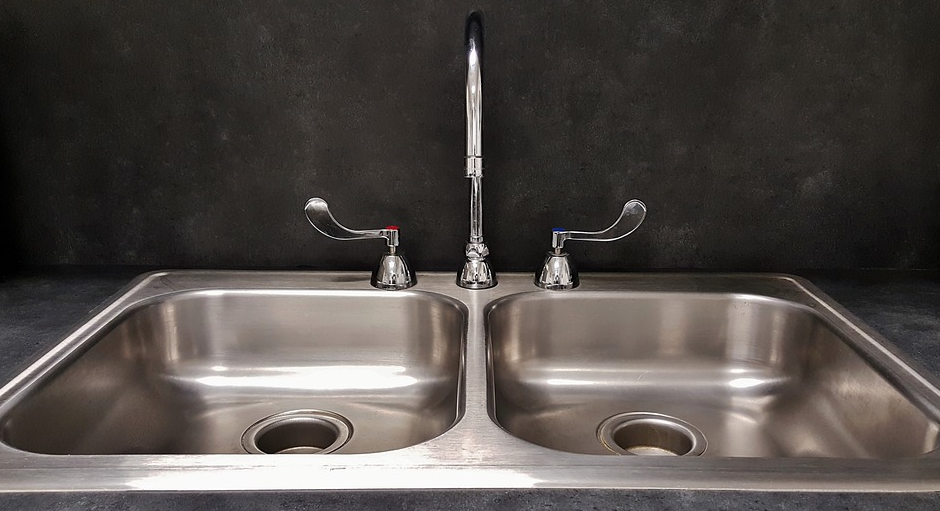
The common choice of material for kitchen, bathrooms and other home appliances is stainless steel. Stainless steel is preferred because of its capacity to resist not just corrosion but also rust. However, grime, dirt, and dust can make stainless steel susceptible to rusting. To remove the dirt and dust, you do not need to break the bank in search of expensive cleaning products. There are many simple methods of stainless steel polishing that you can use at home. Keep reading to know more.
Olive Oil and White Vinegar
 Before you start cleaning the surfaces, it is important to gain an understanding of the grain’s direction. The surfaces of stainless steel, just like wood, have grains in the same direction. The handles and knobs have grain which may be in a different direction. When you clean against the grain, you will be pushing more residue into crevices that are part of the grain. When cleaning is done along the grain, your surface will shine optimally.
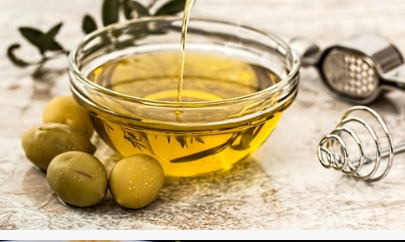
Once you have an understanding of the grain, use a piece of cloth made of microfiber to apply the vinegar on the surface. Alternatively, you can directly spray on the surface. Wait for a few minutes and then clean the surface in the same direction as the grain. Continue to apply the vinegar until the grime is removed. Immerse a towel that is clean into olive oil and polish the surface in the same direction as the grain. Vinegar is used primarily to remove the grime while olive oil makes the surface fresh and shiny.
Lemon Oil Furniture Polish
Using a clean towel or a piece of cloth, apply some lemon oil furniture polish and starting wiping using a different piece of cloth. Always try to avoid applying the polish on the stainless steel polish directly. Direct application will give you more work trying to remove the marks.
Dish Soap and Mineral Oil
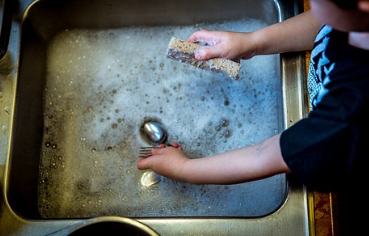 You will need a moist rag to wipe the surface of the stainless steel. In case the stains such as fingerprints are proving to be stubborn, wipe repeatedly. Once through, wipe the water streaks using a dry clean cloth or towel.
Now start polishing. Apply on the second piece of cloth some baby or mineral oil. Just a few drops. The same way you cleaned along the grain, do the same for polishing. Repeat polishing until you are convinced that a neat job has been done. Clean and store your rags for the next cleaning exercise.
Flour
The flour is ideal for the pans, pots and the sink. Start by thoroughly cleaning the sink to have the grime, grease, and dirt that is likely caked on. The moment it has dried, use flour to cover it. The amount of flour to be used is not limited. Use as much as you possibly can. Using a soft cloth, cleaning in by observing a circular motion until the surface shines. You are done.
In conclusion, using locally available oils will give better results than the expensive detergents that cost an arm and a leg.